
Automatic pallet washers are essential equipment in the food processing, warehousing and logistics, and industrial manufacturing sectors. After prolonged operation, clogged nozzles, dirty filters, worn conveyor chains, or reduced drying-system efficiency can affect cleaning performance and production pace. Standardized maintenance procedures help reduce unplanned downtime and ensure stable equipment operation.
Daily Inspections: Ensuring the Cleaning System Functions Properly
Inspect Nozzles and Filters
Nozzles are responsible for spraying cleaning water onto the surface, bottom, and grooves of the trays. If nozzles become clogged with debris or show signs of wear from prolonged use, this can result in uneven spraying and incomplete cleaning. Operators should regularly check the water flow from the nozzles, promptly clear any blockages, and inspect the filters for accumulated dirt.
Monitor Water Temperature and Pressure
Water temperature and spray pressure directly affect the effectiveness of grease and residue removal. Before starting the automatic pallet washer each day, verify that the heating system, pressure gauge, and water pump are operating normally. If water pressure drops or the water heats up slowly, inspect the filters, piping, water pump, and heating components to prevent the equipment from operating with faults.
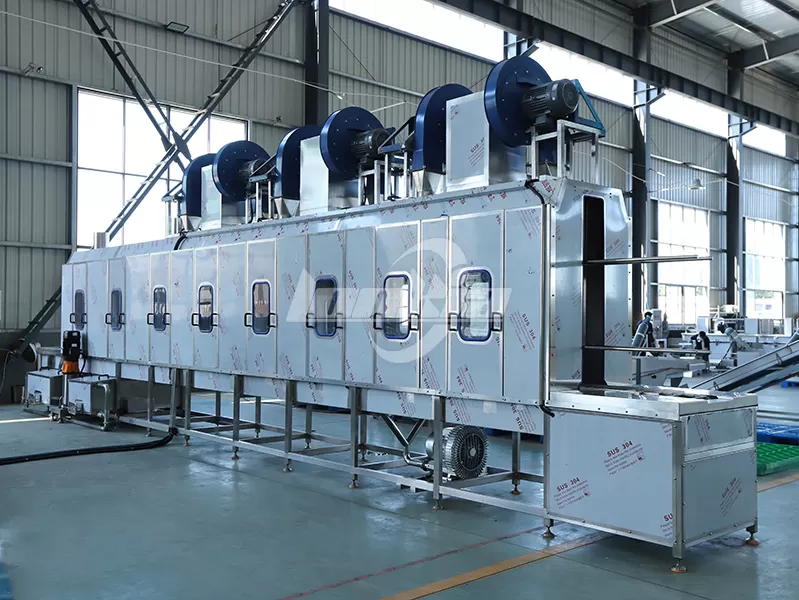
Regular Maintenance: Focus on the Conveyor and Drying Systems
Inspect the Conveyor Chain and Moving Parts
An automatic pallet washer uses a conveyor system to feed trays sequentially through the pre-wash, main wash, rinse, and drying zones. Regularly check the tension, alignment, and wear of the conveyor chain, while paying attention to abnormal noises and any issues with tray conveyance. Lubrication and component adjustments should be performed in accordance with the equipment manual.
Verify the Operating Status of the Drying System
If there is still visible standing water on the washed plastic pallets, check the fan operation, whether the air ducts are blocked, and whether the airflow direction is appropriate. Additionally, inspect the bottom and grooves of the pallets for residual water based on their structure. If the equipment uses hot-air drying, also ensure that temperature control is stable.
Common Faults and Troubleshooting Methods
Frequently Asked Questions | Suggested Troubleshooting Steps |
Incomplete tray cleaning | Clogged nozzles, insufficient water pressure, or improper cleaning duration |
Water temperature fails to reach the set value | Heating system, temperature sensor, and power supply |
Unstable conveyor operation | Conveyor chain, guide rails, drive components, and tray positioning |
Significant water accumulation after washing | Fan, air ducts, airflow direction, and tray drainage design |
Increased impurities in the water tank | Filter, sediment removal, and water replacement schedule |
Before troubleshooting, shut down the pallet cleaning equipment in accordance with operating procedures, and if necessary, disconnect the power supply and relieve pressure from the relevant systems. Maintenance involving electrical, heating, or drive components must be performed by qualified personnel.
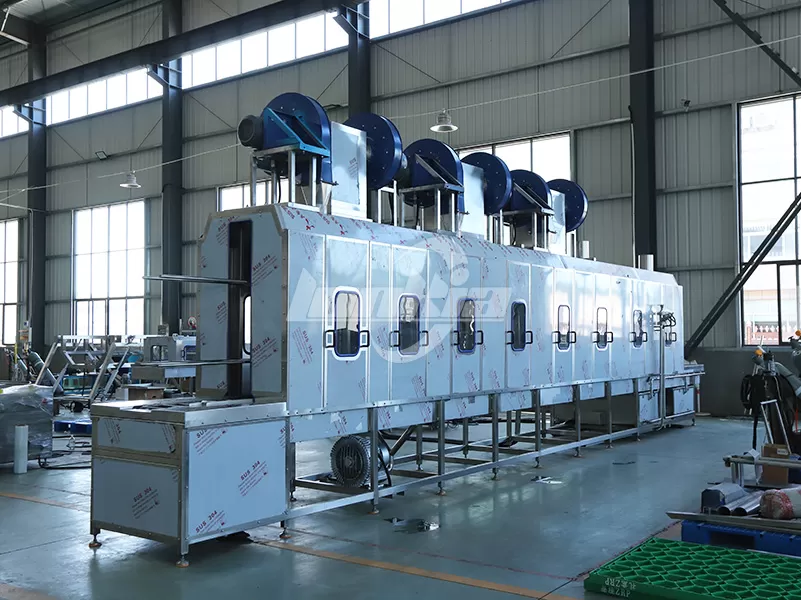
Establish a Preventive Maintenance Schedule
In addition to daily inspections, develop weekly, monthly, or periodic maintenance schedules based on operating hours to inspect water pumps, valves, seals, electrical connections, and heating components. Recording malfunctions, cleaning, part replacements, and equipment operation status helps the facility promptly identify recurring issues and properly plan for spare parts.
The LONKIA automatic pallet washer utilizes an automated conveyor system and a multi-stage washing process, with functions configurable according to tray specifications and actual process requirements. Confirming maintenance access, replacement methods for wear-prone parts, and after-sales support in advance during the procurement process also facilitates subsequent equipment management.
Conclusion
Maintaining the stable operation of an automatic pallet washer requires not only regular cleaning of nozzles and filters but also maintenance of the conveyor, heating, and drying systems. By standardizing inspections, promptly troubleshooting malfunctions, and documenting equipment status, facilities can better maintain cleaning effectiveness and production continuity.
If you are selecting automatic pallet cleaning equipment, please provide LONKIA with your tray dimensions, cleaning requirements, and target processing capacity so we can further confirm the equipment configuration and maintenance plan.
