
In environments such as food processing plants, slaughterhouses, seafood processing areas, and baking workshops, trolleys undergo extremely frequent cleaning cycles. The quality of this cleaning directly impacts workshop hygiene and product safety. Therefore, selecting a truly reliable, stable, and highly effective trolley cleaning machine is a crucial step for factories to optimize production. This article addresses key customer concerns—configuration, cleaning capacity, cost control, and long-term value—to help you systematically understand the standards an excellent machine should meet.
The Core of Trolley Cleaning Machines: An Efficient Cleaning System
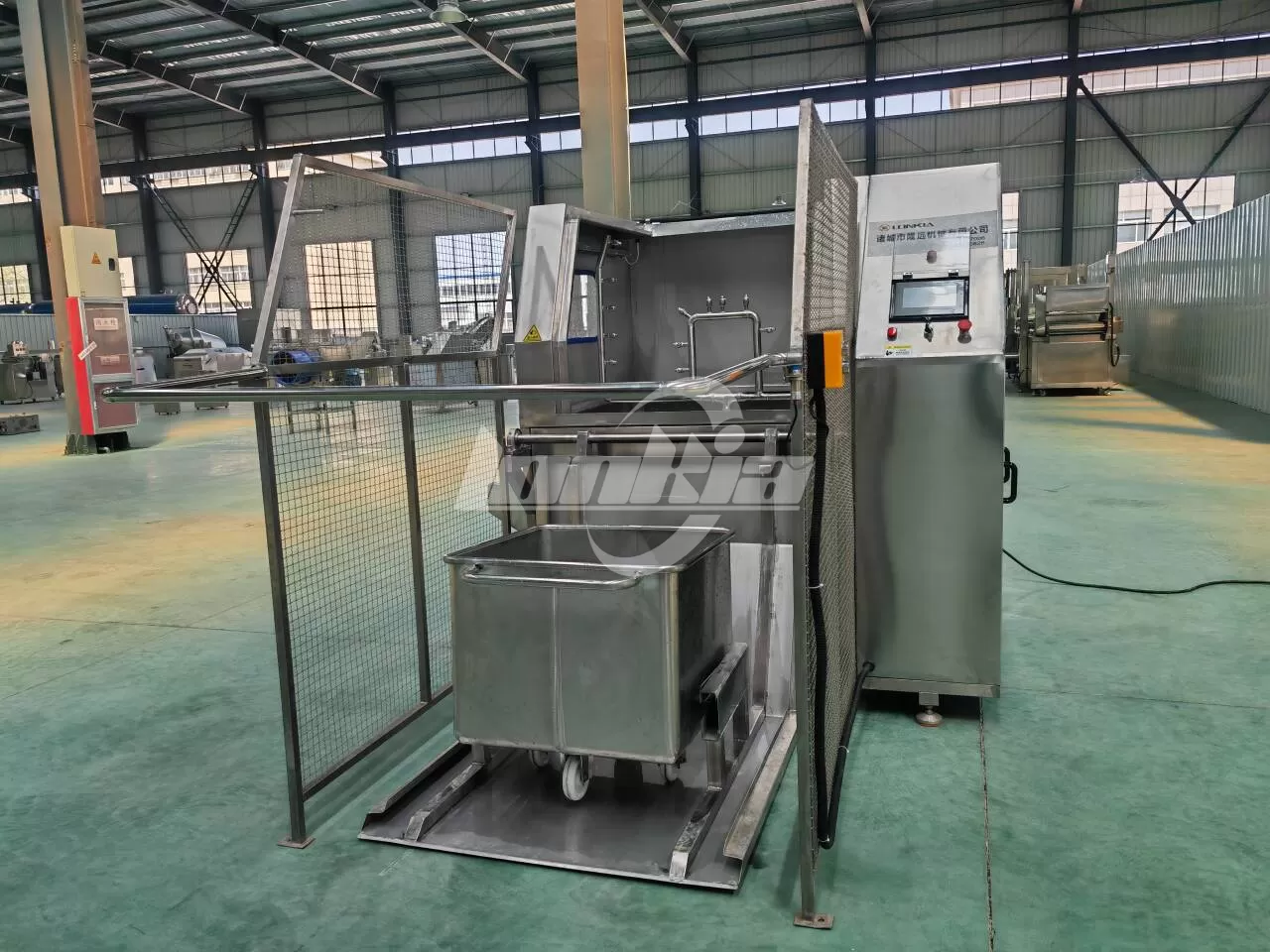
Cleaning effectiveness remains the top priority for customers. A reliable trolley cleaning machine typically features:
- Multi-angle Powerful Spray System: Simultaneous top, side, and bottom cleaning for comprehensive coverage.
- High-Pressure Recirculating Water Pump: Enhances water impact force to ensure thorough removal of stains and residues.
- Adjustable spray pressure: Flexibly adapts to different industries and contamination levels.
These designs address issues like incomplete manual cleaning, residue in hard-to-reach areas, and subpar hygiene standards, making it easier for factories to meet inspection requirements. For instance, Lonkia's trolley washer machines feature optimized spray layouts that effectively tackle stubborn stains—a key reason many factories choose them.
Recirculating Water System and Filtration Structure Determine Operating Costs
Customers often inquire: Does this machine consume a lot of water?
In reality, water usage depends on whether the equipment incorporates an efficient recirculation system.
A reliable trolley cleaning machine typically includes:
- Large-capacity recirculating water tank: Water can be reused multiple times, reducing per-cycle cleaning costs.
- Multi-stage filtration system (coarse + fine filtration): Automatically filters contaminants to maintain water purity.
- Automatic water replenishment & level detection: Prevents dry operation while reducing manual tank maintenance.
These features significantly lower water expenses for factories while ensuring consistent cleaning quality.
Material: 304 Stainless Steel
Trolley washing machines operate in high-humidity, corrosive environments with frequent use, making material selection critical.
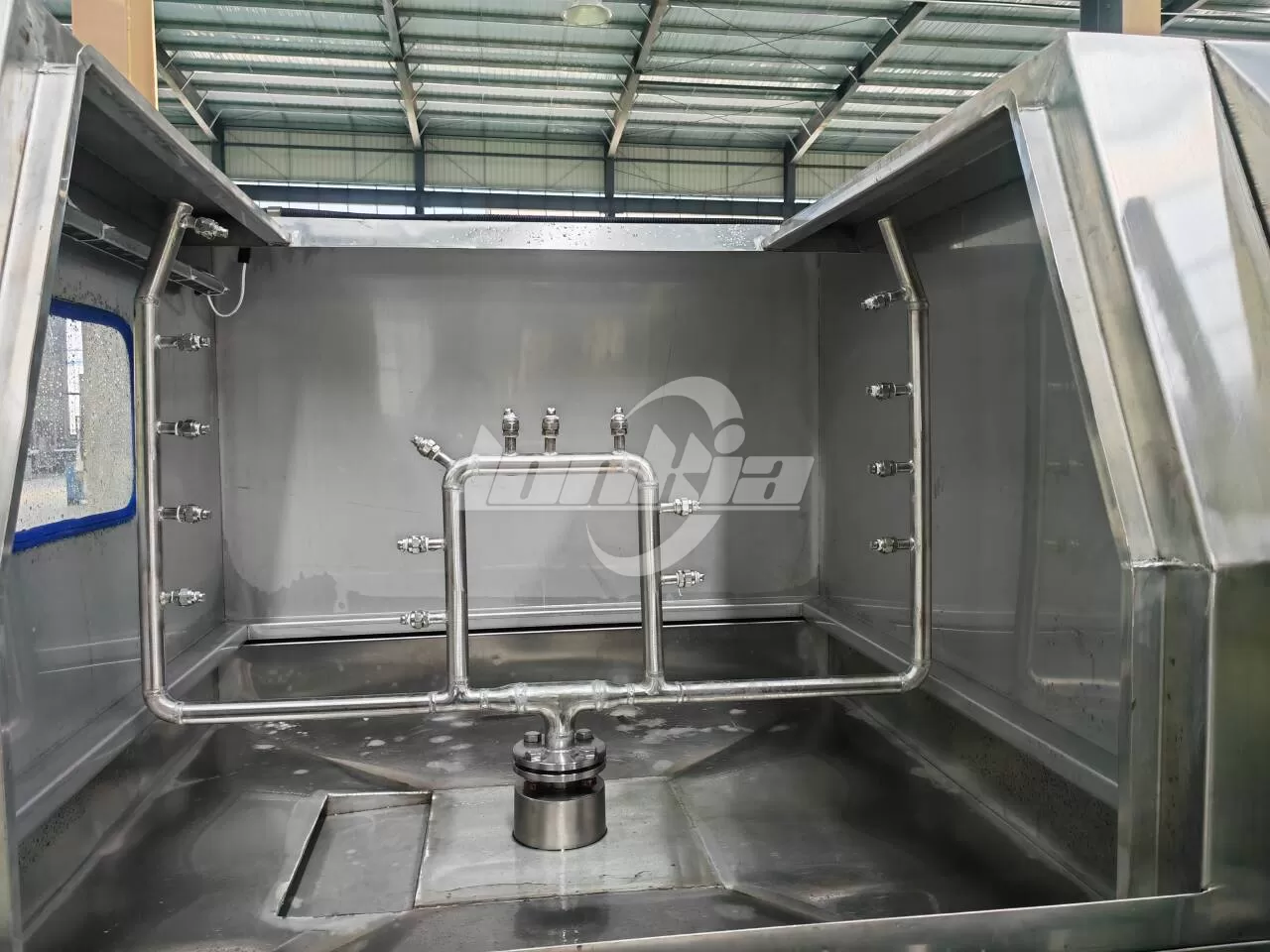
A reliable trolley washer should feature:
- Entire unit constructed from 304 food-grade stainless steel to prevent corrosion and rust
- Thick plate construction for impact resistance and deformation prevention
- Rational piping layout with easily accessible exposed sections for cleaning
These characteristics determine equipment longevity and influence daily maintenance complexity. Selecting high-quality construction ensures long-term stability and minimizes downtime risks.
Capacity Matching is a Key Procurement Consideration
Different factories operate at different paces with varying cleaning demands. Customers often prioritize:
How many units can this machine clean per hour?
A reliable trolley washer machine typically offers:
- Customizable capacity (e.g., adjustments based on trolley size and structure variations)
- Automated conveying systems to boost rinsing efficiency
- One-touch settings to control cleaning cycles
Selecting trolley washer with appropriate capacity ensures smoother production and prevents cleaning from becoming a bottleneck.
After-sales support and customization capabilities
For many processing plants, stable equipment operation is paramount. Therefore, choosing container washing washing suppliers with professional technical teams is more reliable.
Reliable suppliers should provide:
- Rapid after-sales response
- Quick spare parts supply
- Customized design of dimensions and spray patterns based on client cart models
For instance, Lonkia offers personalized customization according to client cart types, workshop layouts, and production capacity requirements—a critical factor for diverse factories.
Conclusion
In summary, a reliable trolley washing machine should feature:
- Comprehensive high-pressure spray system
- Water-saving recirculation system + multi-stage filtration
- Food-grade 304 stainless steel construction
- Production capacity designed to match factory workflow
- Customization options + stable after-sales service
When procuring a trolley washer machine, focusing on these six points will help you easily assess equipment quality, ensuring it genuinely enhances factory efficiency, reduces costs, and maintains long-term stable operation.
