
When planning to invest in an automated crate washing system, one of the first questions that comes to mind is: “How much does a crate washing machine cost?” The answer depends on various factors such as capacity, level of automation, construction materials, and additional features. This guide will help you understand what drives the price of crate washers and how to plan your investment effectively.
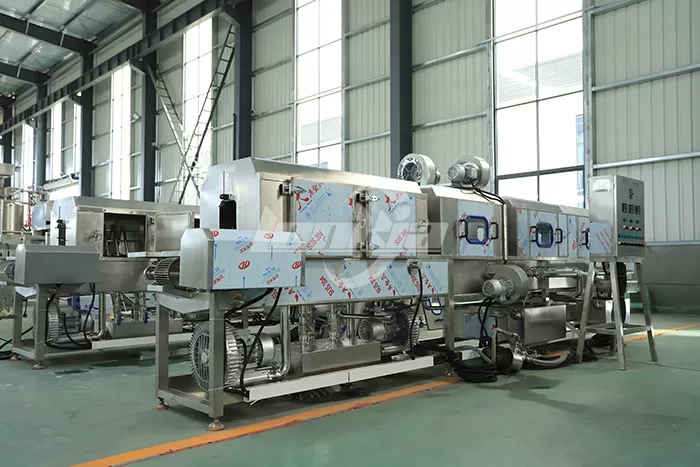
1. Factors That Influence Crate Washing Machine Prices
Crate washing machine prices can range from a few thousand to tens of thousands of dollars, depending on the configuration. Below are the key factors affecting cost:
a. Capacity and Throughput
The higher the output, the more expensive the equipment.
Small units (200–400 crates/hour): Suitable for small food processors and dairy farms.
Medium units (500–1000 crates/hour): Common in beverage and logistics industries.
High-capacity units (1500+ crates/hour): Used in large factories and central distribution centers.
b. Automation Level
Manual or semi-automatic models: Require human loading/unloading; more affordable.
Fully automatic systems: Include conveyors, drying tunnels, and CIP (Clean-in-Place) features — higher cost but minimal labor.
c. Washing Technology
Advanced systems with high-pressure nozzles, detergent dosing, and multi-stage rinsing (pre-wash, wash, rinse, disinfect) will have higher prices due to performance and water-saving benefits.
d. Material and Build Quality
Machines built from 304 or 316L stainless steel are more expensive but essential for food safety and corrosion resistance — especially in dairy or meat processing plants.
e. Customization and Add-Ons
Optional integrations such as heat recovery systems, automatic drying units, or PLC control panels can significantly increase cost but also improve efficiency and long-term ROI.

2. Typical Price Ranges by Machine Type
| Type | Capacity | Automation Level | Approx. Price (USD) |
|---|---|---|---|
| Compact crate washer | 200–400 crates/hour | Semi-automatic | $3,000 – $6,000 |
| Standard industrial model | 500–800 crates/hour | Fully automatic | $8,000 – $15,000 |
| High-capacity tunnel washer | 1000–2000+ crates/hour | Fully automatic | $18,000 – $35,000+ |
| Custom-built CIP system | Flexible | PLC-controlled | $25,000 – $50,000+ |
💡 Note: Prices vary by manufacturer, brand, and configuration. Always confirm specifications before purchase.
3. Cost vs. Long-Term Savings
Although the initial investment may seem high, an industrial crate washing machine quickly pays off through:
Reduced labor costs due to automation.
Lower water and detergent consumption with recirculating systems.
Fewer product losses caused by contamination.
Extended crate lifespan thanks to proper cleaning and drying.
The return on investment (ROI) often occurs within 12–24 months for medium to large operations.
4. Budgeting Tips for Buyers
Define your daily washing volume before choosing capacity.
Request quotes from multiple manufacturers to compare specifications and warranties.
Consider future scalability — choose a model that supports system upgrades.
Include maintenance costs in your budget to avoid surprises.
5. Conclusion
When purchasing a crate washing machine, the price reflects not only the build and capacity but also the efficiency, safety, and compliance it delivers. Whether you’re in food processing, dairy, or logistics, choosing the right model ensures cleaner crates, safer products, and smoother operations.
By understanding the key pricing factors and planning your budget accordingly, you can make an investment that delivers both hygienic performance and long-term value for your business.
