
In dairy and beverage processing plants, hygiene is not optional—it is critical. Plastic crates used for transporting milk bottles, yogurt containers, soft drinks, and beer must be cleaned thoroughly to prevent contamination and maintain product quality. This is why many factories invest in a plastic crate washing machine.
If you are planning to purchase one, a key question is: how much does a plastic crate washing machine cost for dairy and beverage applications? In this guide, we break down pricing, key cost factors, and how to choose the right solution for your plant.
Why Dairy & Beverage Plants Need Specialized Crate Washing Machines
Plastic crates in these industries are exposed to:
milk residues and sugar liquids
sticky beverage spills
bacteria and microbial contamination
A standard washer may not be enough. Dairy and beverage plants require machines with:
high-temperature washing
chemical dosing systems
strong sanitation performance
This ensures compliance with strict food safety standards.
Average Price Range for Plastic Crate Washing Machines
Prices vary based on capacity, automation, and system configuration.
| Machine Type | Capacity | Price Range |
|---|---|---|
| Small Crate Washer | 200–500 crates/hour | $8,000 – $20,000 |
| Medium Industrial Washer | 500–1500 crates/hour | $20,000 – $70,000 |
| Large Automatic System | 1500–3000+ crates/hour | $70,000 – $180,000+ |
Customized systems for large dairy or beverage factories can exceed $200,000, especially when integrated into full production lines.
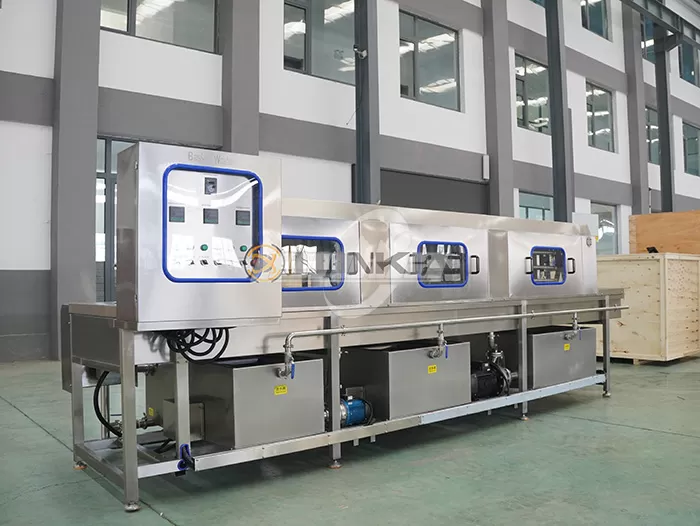
Key Factors That Affect Price
Understanding what drives cost will help you set a realistic budget.
1. Cleaning Requirements (Hygiene Level)
Dairy and beverage industries require higher sanitation standards than general logistics.
Machines may include:
hot water washing (60–85°C)
chemical dosing systems
disinfection stages
👉 Higher hygiene requirements = higher machine cost.
2. Production Capacity
The number of crates cleaned per hour significantly impacts price.
Small plants: 200–500 crates/hour
Medium plants: 500–1500 crates/hour
Large factories: 1500+ crates/hour
Higher capacity requires larger pumps, tanks, and conveyors.
3. Multi-Stage Washing System
Advanced crate washers include multiple cleaning stages:
Pre-wash
Main wash
Rinse
Disinfection
More stages improve cleaning quality but increase system complexity and cost.
4. Heating System
For dairy and beverage applications, heating is essential.
Common options:
electric heating
steam heating (preferred for large factories)
Steam systems are more efficient for large-scale operations but require additional infrastructure.
5. Water Recycling and Filtration
Modern machines often include:
filtration systems
water recycling tanks
sediment separation
These features reduce water consumption and operating costs but increase initial investment.
6. Automation and Conveyor Integration
Fully automatic crate washing systems may include:
automatic feeding conveyors
adjustable speed controls
PLC touchscreen systems
Automation reduces labor costs but raises equipment price.
7. Drying System
Some crate washers include drying units such as:
air knife drying
hot air drying
This is especially useful in beverage plants where crates must be dry before reuse.
Additional Costs to Consider
When budgeting, don’t forget indirect costs.
Installation and Setup
Large systems may require factory layout adjustments and professional installation.
Utilities
Operating costs include:
water consumption
electricity or steam
cleaning chemicals
Maintenance
Regular servicing includes:
nozzle cleaning
pump maintenance
filter replacement
How to Choose the Right Machine for Your Plant
To select the best plastic crate washing machine, follow these steps:
Define Your Industry Requirements
Dairy plants need high-temperature sanitation
Beverage plants need efficient sugar residue removal
Match Capacity to Production Volume
Choose a machine that aligns with your daily crate turnover.
Focus on Hygiene and Compliance
Ensure the machine meets food safety standards and is made of food-grade stainless steel.
Consider Long-Term Operating Costs
Water-saving and energy-efficient machines may cost more upfront but save money over time.
Choose a Reliable Manufacturer
Look for suppliers that provide:
technical support
spare parts availability
installation and training
after-sales service
Is It Worth the Investment?
For dairy and beverage plants, the answer is yes. A plastic crate washing machine provides:
consistent sanitation
reduced labor costs
improved production efficiency
compliance with hygiene regulations
Over time, these benefits outweigh the initial investment.
Conclusion
The cost of a plastic crate washing machine for dairy and beverage plants typically ranges from $8,000 to over $180,000, depending on capacity, automation, and sanitation requirements.
By understanding the key pricing factors—such as cleaning stages, heating systems, and automation—you can choose a machine that fits your budget and production needs.
Investing in the right crate washing solution ensures better hygiene, higher efficiency, and long-term success in highly regulated food industries.
