
Selecting the right industrial pallet washing machine is crucial for many factories, food processing enterprises, and logistics centers. Pallet cleaning not only impacts operational efficiency but also directly affects hygiene safety, product quality, and production line stability. This article compiles the most frequently asked key questions from customers during procurement and usage, along with professional answers, to help you quickly determine whether it's worth the investment, how to select the appropriate model, and how the pallet washer demonstrates its value in actual production.
What is an Industrial Pallet Washing Machine?
An industrial pallet washing machine is an automated device specifically designed to clean, sanitize, and dry pallet surfaces and crevices. Compared to manual cleaning, it removes stains, grease, dust, and microorganisms faster and more uniformly, reducing human error and elevating overall cleanliness standards. Pallet types include common containers such as plastic pallets, crates, boxes, and trays.
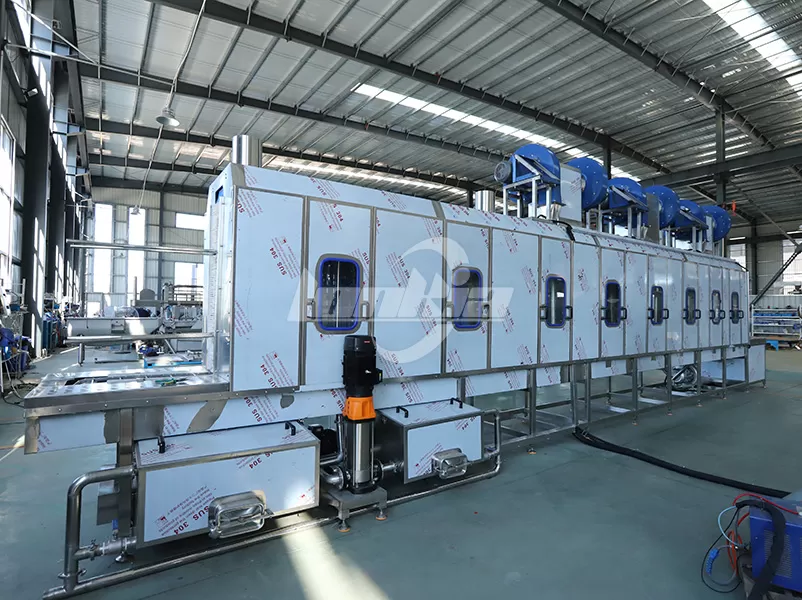
FAQs about Pallet Washer
Q1: What is the cleaning machine's workflow?
The standard industrial pallet washer process typically includes:
- Automatic Conveying and Positioning — Pallets enter the cleaning zone via conveyor chains.
- Pre-wash Stage — High-pressure nozzles remove large debris.
- Main Wash Stage — High-temperature water or detergent thoroughly removes oil and stubborn contaminants.
- Rinse Stage — Clean water completely removes residual chemicals.
- Drying (Optional) — Hot air system rapidly dries surface moisture.
This fully automated process ensures deep cleaning and efficiency while minimizing manual intervention. The entire operation is coordinated by a PLC control system, ensuring high stability.
Q2: Which industries benefit from pallet washer machines?
These pallet washer machines serve any sector requiring frequent pallet cleaning, including but not limited to:
- Food and beverage processing plants (e.g., pallet transport of raw materials and processed goods)
- Cold chain and cold storage logistics (pallet circulation)
- Electronics manufacturing and precision industries (where particulate and contaminant control is critical)
- Light and heavy industrial warehousing centers
For industries with stringent hygiene standards, such as food and produce handling, using a certified industrial pallet washing machine ensures pallets meet both internal company and industry-mandated cleanliness requirements before entering production lines.
Q3: What technical specifications should be prioritized during purchase?
When acquiring an industrial pallet washing machine, focus on the following key aspects:
- Washing Capacity: Number of pallets cleaned per unit time, determining whether the equipment matches production line pace.
- Spray System & Pressure: High-pressure rotating nozzles provide comprehensive coverage, enhancing cleaning effectiveness.
- Temperature Control: Hot water washing improves grease removal efficiency, particularly crucial for the food industry.
- PLC Automatic Control System: Facilitates configuration for different operating conditions, monitors operational status, and provides fault alerts.
- Machine Body Material: High-quality stainless steel (e.g., SUS304) offers corrosion resistance, ease of cleaning, and extends equipment lifespan.
Q4: How to select the appropriate cleaning capacity?
Customers typically focus on hourly pallet throughput, a key parameter during selection. Generally:
- Small factories: 200–400 pallets/hour
- Medium-sized operations: 400–800 pallets/hour
- Large production lines: 800+ pallets/hour
Determine the optimal cleaning capacity based on business scale and cleaning frequency.
Q5: Is the machine easy to maintain?
Modern pallet washing equipment designs prioritize serviceability. Most industrial pallet washers feature removable components, easy-to-clean filtration systems, and accessible maintenance access points to minimize downtime. Routine maintenance primarily involves nozzle inspections, pump upkeep, and filter cleaning.
Q6: Can the pallet washer accommodate different pallet sizes or types?
Yes, LONKIA offers customization services. Spray structures, conveyor widths, and even the number of cleaning stages can be adjusted based on pallet dimensions, materials, and cleaning requirements to ensure consistent quality. These tailored solutions provide optimal cleaning for diverse pallet types in your operations.
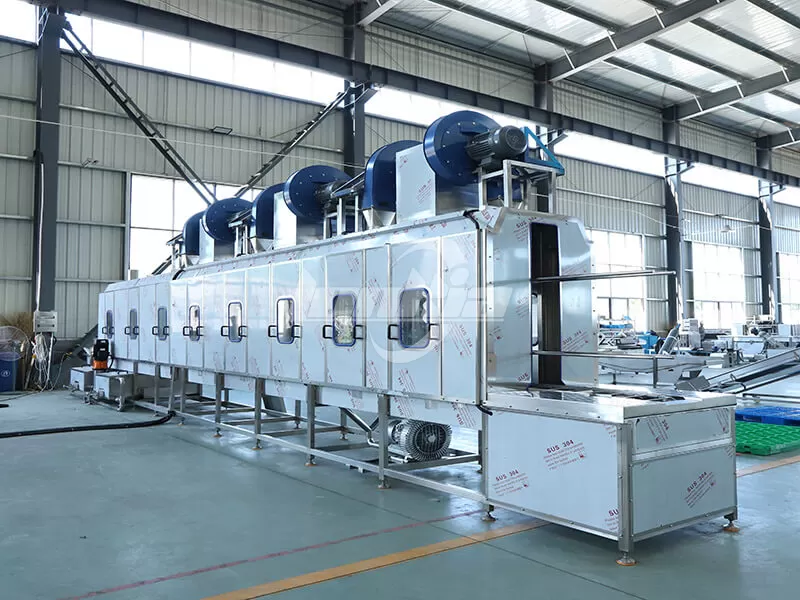
The Value of Investing in an Industrial Pallet Washer
✅ Enhanced Cleaning Consistency: Standardized washing processes guarantee uniform cleanliness for every pallet.
✅ Reduce labor costs: Eliminate tedious manual washing, freeing personnel for higher-value roles.
✅ Boost production efficiency: Automated processes shorten washing and drying times, accelerating overall workflow.
✅ Minimize cross-contamination risks: Especially critical for the food industry.
Conclusion
This article has compiled frequently asked questions and expert answers, giving you a basic understanding of industrial pallet washing machines. Whether you are making your first purchase or upgrading your facility, the answers to these common questions will help you make a more informed decision.
If you have further requirements regarding specific models, configurations, or pricing, please contact us for customized advice.
