
When purchasing an egg tray washer machine, price is often one of the top concerns for customers. However, in actual procurement, price differences are not random; they are determined by a combination of the equipment's structure, configuration, and performance. Understanding these key factors can help you avoid common pitfalls when buying an egg tray washing machine and ensure you select equipment that truly meets your production needs.
Equipment Material Determines Service Life and Base Cost
Egg tray washer machines typically feature a stainless steel structure, and the grade of the material directly impacts the price. High-quality stainless steel offers superior corrosion resistance and stability, enabling it to withstand high-temperature washing and continuous operation over the long term.
For customers, this means:
- Longer service life
- Lower maintenance frequency
- More controllable long-term costs
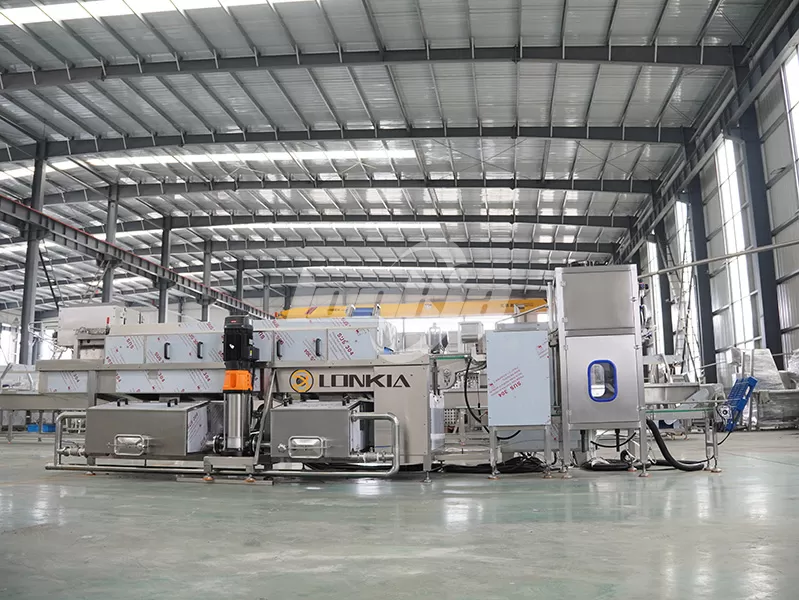
Lonkia egg tray washer features an all-stainless-steel structure, ensuring strength and enhanced overall stability, making it ideal for continuous production environments.
Production Capacity Specifications Affect Overall Equipment Investment
The egg tray washer machine's processing capacity is one of the core factors influencing price. Higher capacity requires more robust conveying systems, spray systems, and power systems, naturally driving up costs.
For example:
- Increased conveyor belt width
- Increased number of spray nozzles
- Higher motor power
Therefore, customers should avoid two common pitfalls when selecting egg tray washing machine:
- Insufficient capacity disrupts production rhythm
- Excessive capacity leads to equipment underutilization
- Matching capacity appropriately is the key to controlling the budget.
Cleaning System Configuration Determines Cleaning Effectiveness and Price
The core of an egg tray washer machine lies in its cleaning system. Different configurations directly impact cleaning effectiveness and equipment costs.
Common configuration differences include:
- Single-stage washing vs. multi-stage washing
- Standard spraying vs. high-pressure spraying
- Whether a temperature control system is included
- Whether a filtration and recirculation system is included
A multi-stage washing structure enables processes such as pre-wash, main wash, and rinse, effectively removing egg residue, shell fragments, and stains while preventing secondary contamination.
For customers, this investment directly impacts cleaning quality and product safety.
Automation Level Impacts Efficiency and Return on Investment
Higher automation levels typically result in higher equipment costs but also deliver greater production efficiency.
Highly automated equipment usually features:
- Automatic speed-adjustable conveyor
- Automatic temperature control
- Fault alarm system
These features can significantly reduce manual labor and improve production stability. For customers with continuous production needs, highly automated configurations often mean a faster return on investment.
Additional Services and Comprehensive Solutions
Many customers overlook the hidden value included in the equipment price. In reality, installation and commissioning, technical training, and after-sales support also contribute to the overall cost.
High-quality suppliers typically provide:
- Installation guidance
- Operator training
- Long-term technical support
Lonkia not only provides the equipment itself but also offers complete solutions to help customers quickly commence production and minimize future issues.
How to Choose Equipment with Better Value for Money?
When making a purchase, we recommend conducting a comprehensive evaluation based on the following factors:
- Does it meet current production capacity requirements?
- Is the washing system complete?
- Does the level of automation align with manual operations?
- Is the equipment structure stable and durable?
Do not simply pursue low-cost equipment, as low-spec configurations often result in low efficiency and high maintenance costs down the line.
Conclusion
The price of an egg tray washer machine is not determined by a single factor but is shaped by a combination of materials, production capacity, the washing system, the level of automation, and the service support system.
For customers, what truly matters is selecting a solution that is stable, efficient, and tailored to their specific production needs.
Lonkia specializes in the R&D of egg tray washing equipment. Through mature structural designs and flexible configuration options, we provide customers with cost-effective solutions that help achieve stable production and long-term returns. If you need the most cost-effective egg tray washing machine to boost factory efficiency while reducing production costs, please contact us immediately.
