
In food processing, meat processing, central kitchens, and baking operations, trolleys play a vital role in transporting raw materials, moving finished products, and facilitating production workflows. As hygiene standards continue to rise, an increasing number of companies are adopting trolley washer machines to replace manual cleaning. However, many procurement professionals find that prices vary significantly among different manufacturers when requesting quotes. So, what factors actually influence the price of a trolley washer machine? Understanding these key factors helps companies select equipment that better suits their specific needs.
Why Do Quotes for Trolley Washer Machines Vary So Much?
Many customers believe that the price of a trolley washer machine is solely related to the equipment's size, but in reality, equipment configuration, cleaning capacity, automation levels, and customization requirements all directly impact the final quote.
During the procurement process, simply comparing prices often makes it difficult to make the right decision. It is more important to focus on whether the equipment can meet actual production needs and whether the long-term operating costs are reasonable.
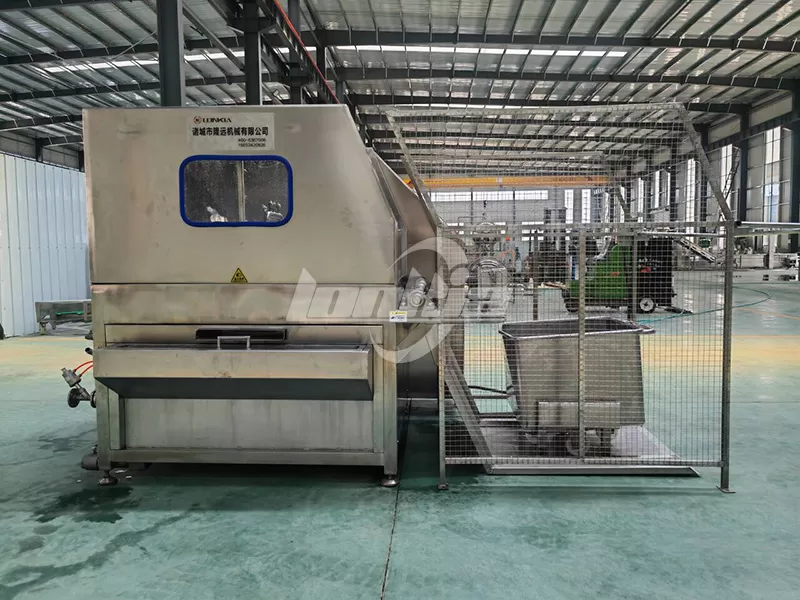
1. Trolley Size and Equipment Specifications
Trolley size is one of the key factors affecting the price of a trolley washer machine.
Trolley specifications vary across different facilities—some are used in meat processing, others in baking operations, and still others in central kitchen distribution. The size of the equipment’s wash chamber must match the trolley specifications.
Generally:
- The larger the wash chamber, the higher the equipment cost;
- Equipment compatible with multiple trolley specifications tends to be relatively more expensive;
- Custom designs typically cost more than standard models.
Therefore, providing trolley dimensions before requesting a quote helps suppliers quickly provide more accurate solutions.
2. Cleaning Capacity and Production Requirements
The number of trolleys that need to be washed daily varies significantly among different companies.
For continuous production facilities, the equipment must not only complete the cleaning tasks but also ensure that the production rhythm remains unaffected. Therefore, equipment capacity is a key factor influencing price.
The main configurations affecting capacity include:
- Number of spray systems;
- Pump power;
- Conveyor system design;
- Cleaning cycle time.
High-capacity trolley washer machines typically enable continuous, stable operation, thereby reducing wait times and improving overall production efficiency.
3. Level of Automation
Automation features directly determine the equipment's ease of operation and labor requirements.
Basic models typically rely on manual loading and unloading, while automated equipment enables automatic conveying, cleaning, and control, significantly reducing operator involvement.
Common automation features include:
- PLC intelligent control systems;
- Automatic conveyor systems;
- Automatic water replenishment systems;
- Automatic temperature control systems.
Although automation increases initial procurement costs, it effectively reduces labor expenses and improves equipment utilization in the long term.
4. Cleaning System Configuration
Cleaning effectiveness is one of the top concerns for customers, so the configuration of the spray system and circulation filtration system also affects the equipment's price.
High-quality trolley cleaning machines typically feature a multi-angle high-pressure spray design, ensuring thorough cleaning of the trolley's surface, bottom, and corner areas.
They are also equipped with:
- Recirculating filtration systems;
- Stainless steel nozzles;
- High-flow water pumps;
- Independent water tank structures.
These configurations not only improve cleaning performance but also enhance the equipment's long-term operational stability.
5. Materials and Customization Requirements
The materials used directly impact the equipment's service life and maintenance costs.
Currently, the food industry widely uses 304 stainless steel to manufacture Trolley Washer Machines, as it offers excellent corrosion resistance and hygiene properties.
Additionally, some customers may have specific requirements, such as:
- Non-standard trolley dimensions;
- Customized material entry and exit directions;
- Integration with existing production lines;
- Custom control system configurations.
These customization options will affect the final price.
How to Choose a More Cost-Effective Trolley Washer Machine?
For procurement personnel, price is not the only criterion.
What deserves greater attention is:
- Whether it meets actual production capacity requirements;
- Whether it delivers consistent cleaning results;
- Whether it is easy to maintain;
- Whether it can operate stably over the long term.
Only by comprehensively considering equipment performance and operating costs can a higher return on investment be achieved.
As a manufacturer of food processing equipment, Lonkia provides customized trolley washer machine solutions tailored to customers' trolley dimensions, production capacity requirements, and factory layouts, helping businesses improve cleaning efficiency and hygiene management standards. Please feel free to contact us for equipment solutions and detailed technical documentation suited to your production needs.
Conclusion
The price of a trolley washer machine is influenced by various factors, including equipment specifications, production capacity, automation levels, cleaning system configurations, and customization requirements. Thoroughly understanding these key factors before purchasing not only helps avoid unnecessary investment wastage but also ensures you select equipment that truly meets your production needs, thereby creating greater long-term value for your business.
