
In modern beverage, food, and dairy industries, glass bottle washers are critical equipment for ensuring product quality and production efficiency. For production line operators, a common practical challenge is: how to handle glass bottles of varying sizes and specifications? This article will delve into this issue to help customers make more informed purchasing and selection decisions.
What Are the Challenges with Different Bottle Specifications?
On production floors, different clients often use glass bottles with varying capacities, neck diameters, and shapes. For example, milk bottles have wider necks than beverage bottles, while sauce bottles are taller and narrower than standard beverage bottles. Common cleaning difficulties include:
- Significant variations in bottleneck diameter and body height;
- Unstable positioning between bottles leads to inconsistent cleaning results.
- Standard spray systems are failing to cover all internal bottle areas.
If the glass bottle washer design is inadequate, these issues can result in incomplete cleaning, stubborn residue buildup, or even bottle breakage.
Design Principles of Glass Bottle Washers
A premium glass bottle washing machine, such as Lonkia's industrial-grade model, is engineered around the core principles of universal adaptability + efficient cleaning. This manifests in the following aspects:
✅ 1. Adjustable Guide Rail System
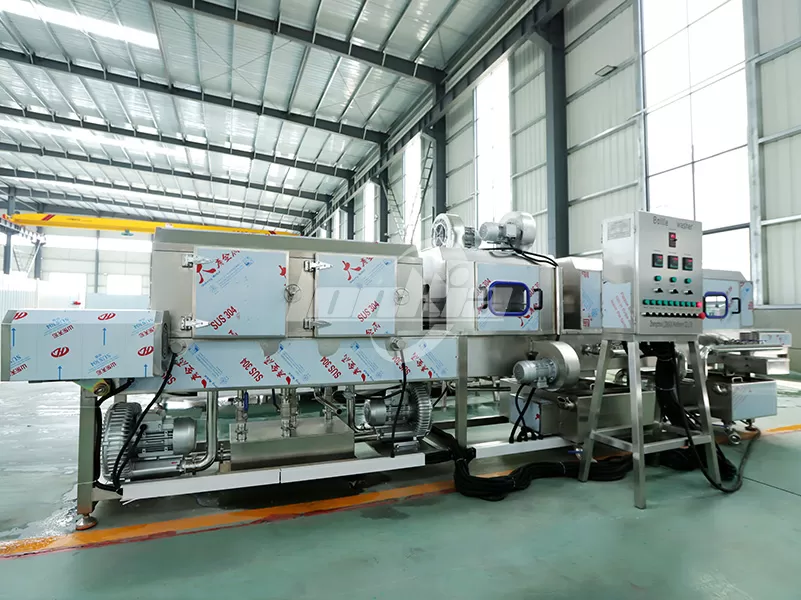
For bottles of varying sizes, the critical adaptation challenge lies in maintaining stable positioning during cleaning. Modern equipment typically employs adjustable guide rails, allowing operators to quickly match rail width to bottle dimensions. This eliminates the need for complex component replacements when switching between container sizes, significantly enhancing the flexibility of multi-product production lines.
✅ 2. Multi-Angle Spray Configuration
To ensure water jets cover both inner and outer surfaces of glass bottles, premium glass bottle washers combine rotating nozzles with multi-tier spray arms. This design guarantees uniform cleaning from multiple angles—whether for wide-mouth or slender bottles—significantly improving cleaning consistency and effectiveness.
✅ 3. Automatic Detection and Positioning
Advanced models typically feature automatic detection systems (such as sensors or PLC controls) to enable intelligent operation that prevents washing without bottles. This avoids cleaning failures or equipment malfunctions caused by empty or misaligned bottles entering the wash zone. This capability is crucial for maintaining stable production capacity when handling bottles of varying sizes.
Key Tips for Size Adaptation
For end-users, understanding several often-overlooked design details can prevent operational headaches later:
Verify Size Adjustment Range
When selecting a glass bottle washer machine, clearly confirm the minimum and maximum bottle diameters and heights it can accommodate to avoid future issues with oversized bottles.
Assess Adjustment Speed and Ease
Equipment requiring frequent changes of mechanical grippers or specialized nozzles reduces production efficiency. Therefore, prioritize glass bottle washers with simple adjustment designs.
Support for Different Shapes
Complex-shaped bottles (e.g., curved shoulders, irregular bases) without proper spray and support designs may develop cleaning blind spots. High-end equipment addresses this through optimized nozzle layouts and conveyor systems.
Advantages of Lonkia Glass Bottle Washing Machines
As an experienced industrial cleaning equipment supplier, Lonkia's glass bottle washers incorporate structural designs that fully accommodate dimensional variations:
- Modular spray sections automatically adjust cleaning methods for different containers.
- PLC control systems enable faster saving and recalling of size settings.
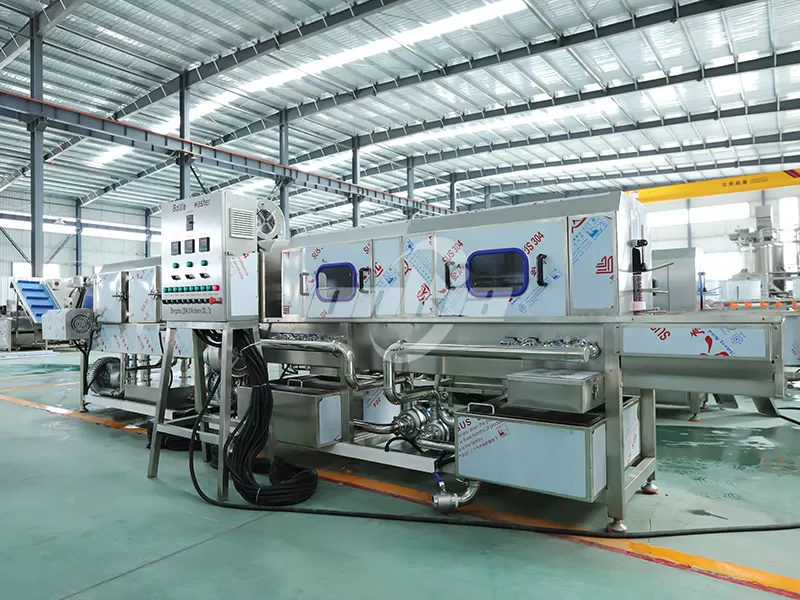
- Flexible guide rails and positioning systems accommodate glass bottles of varying heights, diameters, and widths.
These features not only enhance adaptability in production environments with frequent order changes but also significantly reduce manual adjustment time, lowering overall production costs.
Conclusion: Boosting Production Efficiency Starts with Adaptability
For enterprises utilizing glass bottle washers, the ability to accommodate varying bottle dimensions is a critical factor affecting production line efficiency and product yield rates. Understanding how equipment achieves this through structural design not only helps you select a more suitable model but also minimizes adjustment and downtime during daily operations, ensuring the equipment truly safeguards production efficiency.
