
In modern poultry farming and slaughter processing, improving cleaning efficiency and reducing labor costs are key concerns for every farm owner. As specialized automated cleaning equipment, chicken crate washers are becoming indispensable components in poultry farms and processing plants. This article addresses the practical questions most important to customers, helping you systematically understand how to select the chicken crate washer best suited to your production needs.
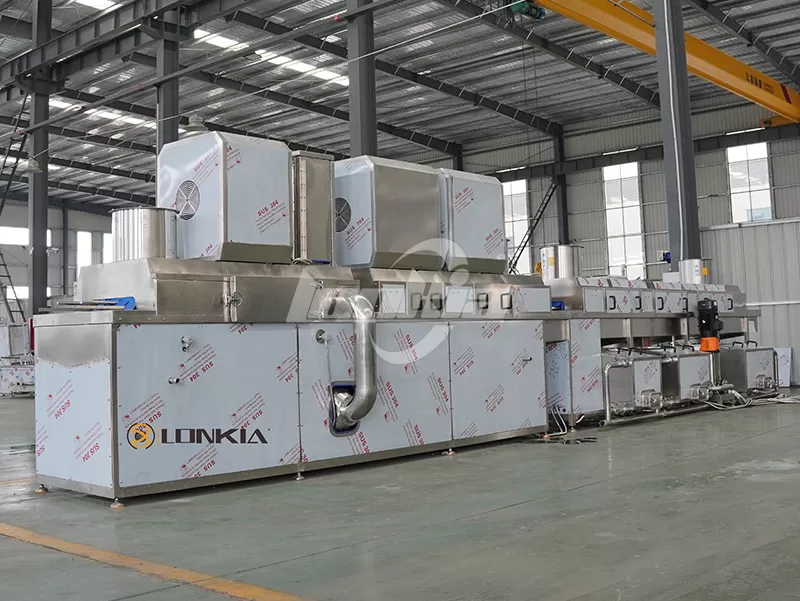
Basic Functions of Chicken Crate Washers
During daily feeding, transportation, and slaughter processes, chicken crates accumulate significant amounts of feces, feathers, and feed residue. Inadequate cleaning not only shortens crate lifespan but also risks bacterial proliferation, threatening poultry health. Chicken crate washers utilize mechanized spraying and high-pressure rinsing to thoroughly remove these contaminants, standardizing and automating the cleaning process.
Key Factors to Prioritize When Selecting a Poultry Washer
1. ✅ Cleaning Capacity and Spray System Design
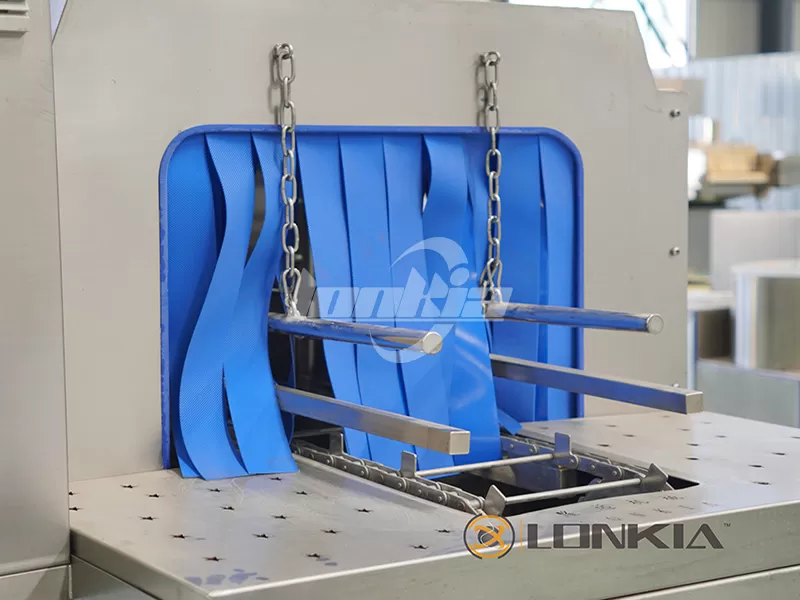
When purchasing, first focus on the chicken cage washing machine's cleaning capacity and spray system. An efficient spray system incorporates multiple high-pressure nozzles and a well-designed spray channel layout to achieve thorough cleaning of all cage surfaces, including internal areas. The scientific arrangement of nozzles directly determines cleaning effectiveness.
Selection Recommendations:
✔ Prioritize models with comprehensive spray coverage and stable water pressure maintenance
✔ Verify nozzle configurations support enhanced cleaning strength when combined with detergents
2.✅Durable Materials and Machine Structure
The chicken crate washer operates in a frequently humid environment with chemical cleaning agents, making the material composition crucial for long-term stable operation. Most high-reliability washers are constructed from food-grade stainless steel. This material offers corrosion resistance, ease of cleaning, and high strength, significantly extending service life while reducing maintenance costs.
Selection Recommendations:
✔ Prioritize models using 304-grade or higher stainless steel
✔ Check for smooth weld seams to prevent dirt accumulation
3.✅Compatibility with Existing Process Flows
For medium-to-large farms or processing plants, washing is typically part of an integrated production line. A quality poultry washer should seamlessly interface with soaking pretreatment, disinfection, and automated conveying or stacking systems to enable continuous cleaning operations.
Selection Recommendations:
✔ Choose models compatible with conveyor belts, stackers, and similar equipment
✔ Ensure sufficient space and interfaces for future automation expansion
4.✅Operational Simplicity and Maintenance Ease
Operators from diverse industry backgrounds may have varying levels of familiarity with equipment. Therefore, a control system featuring a clean interface and intuitive operation helps minimize on-site errors and training time. Additionally, removable spray nozzles and filter sections simplify daily maintenance, saving both time and effort.
Selection Recommendations:
✔ Opt for models featuring PLC control and one-touch cleaning cycles
✔ Ensure nozzles and filtration systems are easily removable and cleanable
Summary: Selecting the Right Chicken Crate Washer for Your Needs
Selecting a chicken crate washer requires considering multiple factors—including your facility layout, production capacity, cleaning standards, and workflow—rather than focusing on a single specification. The right choice significantly enhances cleaning quality and efficiency while substantially reducing labor intensity and operational costs.
For detailed chicken cage washing machine comparisons or customized cleaning solutions, contact us. We provide expert recommendations and quotes tailored to your production scale and cleaning requirements.
